



Delhi Air Quality Improves Slightly As AQI Remains Poor
Air pollution levels in Delhi show a marginal improvement with the overall AQI dropping to 226 but several areas remain in the poor category while shallow fog affects visibility and morning commutes.

Foggy Mornings And Unsettled Weather Persist As Delhi’s Air Quality Stays Poor
Delhi faces dense fog and unstable weather, with air quality remaining largely poor amid rainfall and western disturbances.
Delhi-NCR Air Quality Improves After Season’s First Rainfall
Delhi-NCR air quality improved significantly after the season’s first rainfall, with AQI dropping to 264. Rain and winds helped disperse pollutants, offering relief from hazardous smog.

Delhi Air Quality Shows Marginal Improvement As AQI Drops To ‘Poor’ Category
Delhi’s air quality improves as AQI falls to ‘poor’, prompting partial lifting of pollution curbs, though several areas still report very poor levels.

Delhi Choked By Smog As Air Quality Slips Deeper Into Very Poor And Severe Zones
Delhi remains shrouded in smog as air quality stays in the very poor category, with several areas recording severe pollution and low visibility affecting daily life.

Delhi-NCR Shrouded In Thick Smog As Air Quality Plummets To ‘Severe’
Delhi-NCR wakes up to thick smog as AQI rises to 356, prompting stricter pollution control measures and warnings for residents.

Delhi-NCR Shrouded In Dense Smog As Air Quality Hits ‘Severe’ Levels
Delhi and the National Capital Region wake up to hazardous air as AQI crosses 450, prompting Stage-IV restrictions under GRAP to curb pollution.
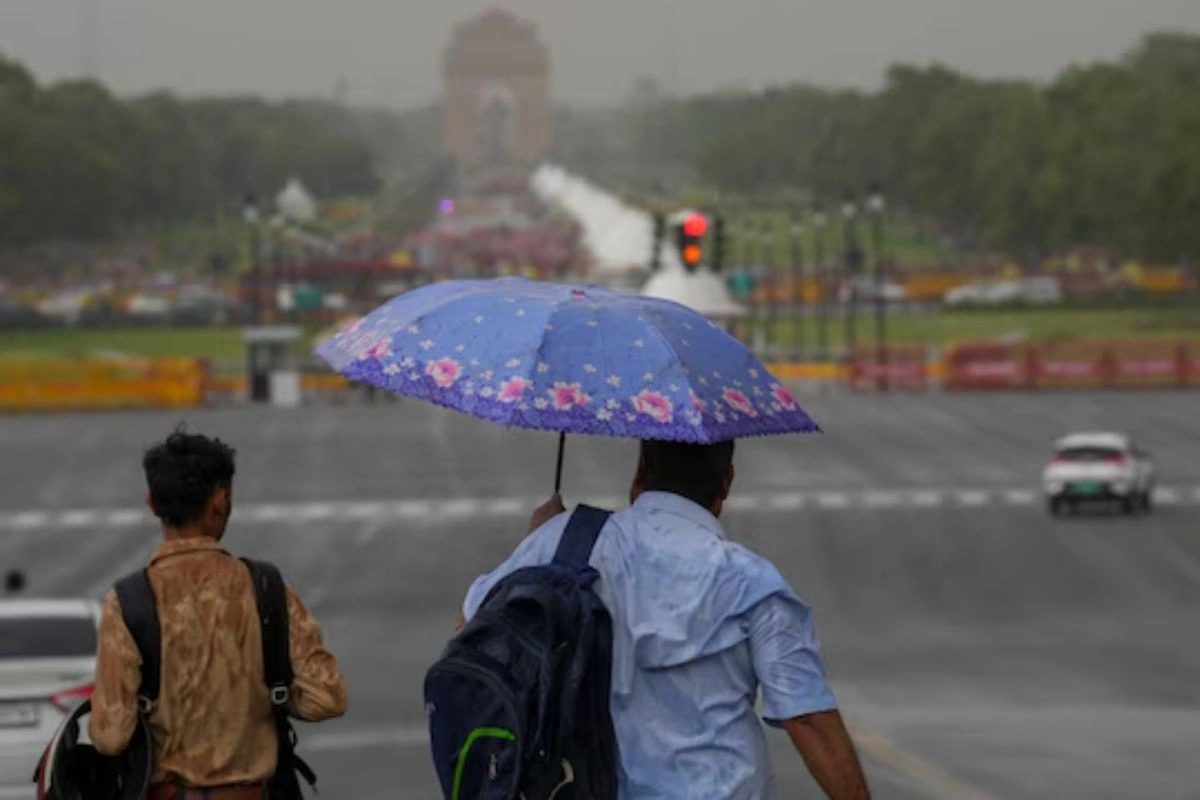
Delhi Records Wettest May On Record; IMD Issues Orange Alert For Heavy Rain
Delhi has experienced its wettest May in recorded history, with rainfall levels surpassing all previous benchmarks.
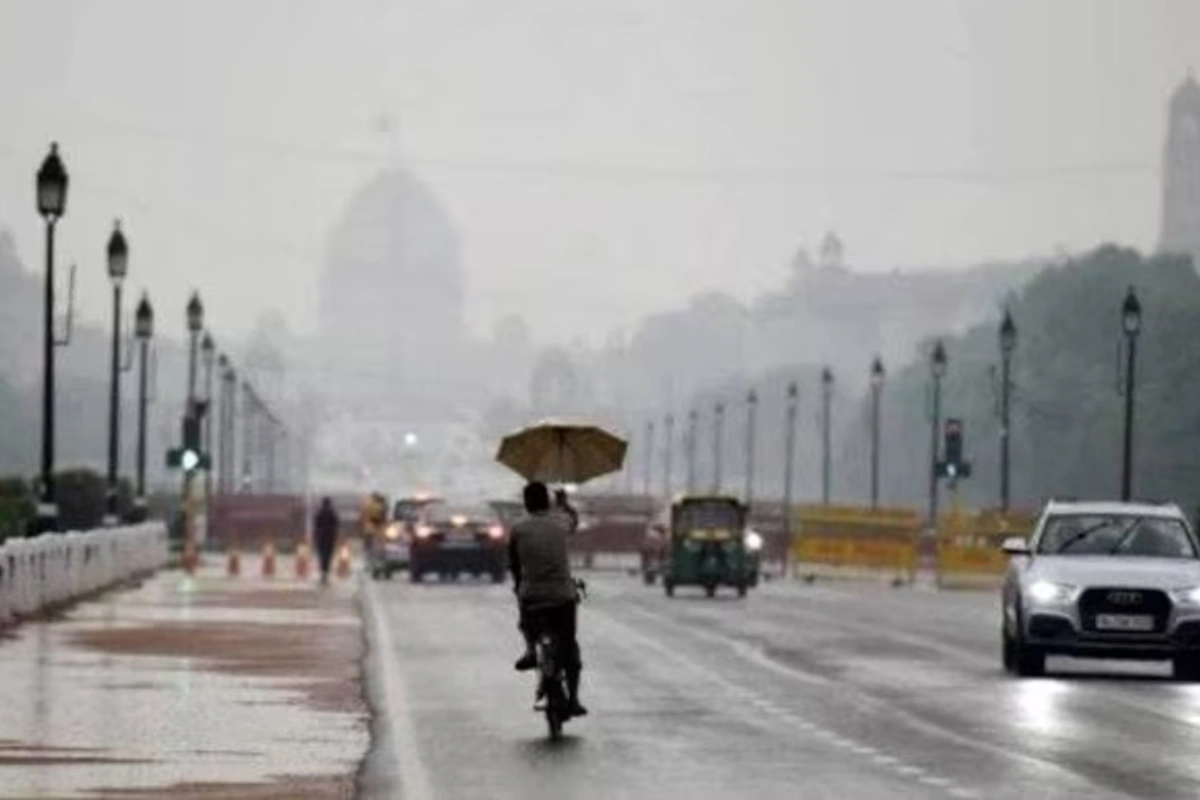
Light Rain Cools Delhi-NCR; Improves Air Quality
Light rain fell across Delhi-NCR on Tuesday morning, bringing relief from pollution and a slight drop in temperature. The India Meteorological Department (IMD) predicted showers throughout the day due to a fresh western disturbance affecting the region.
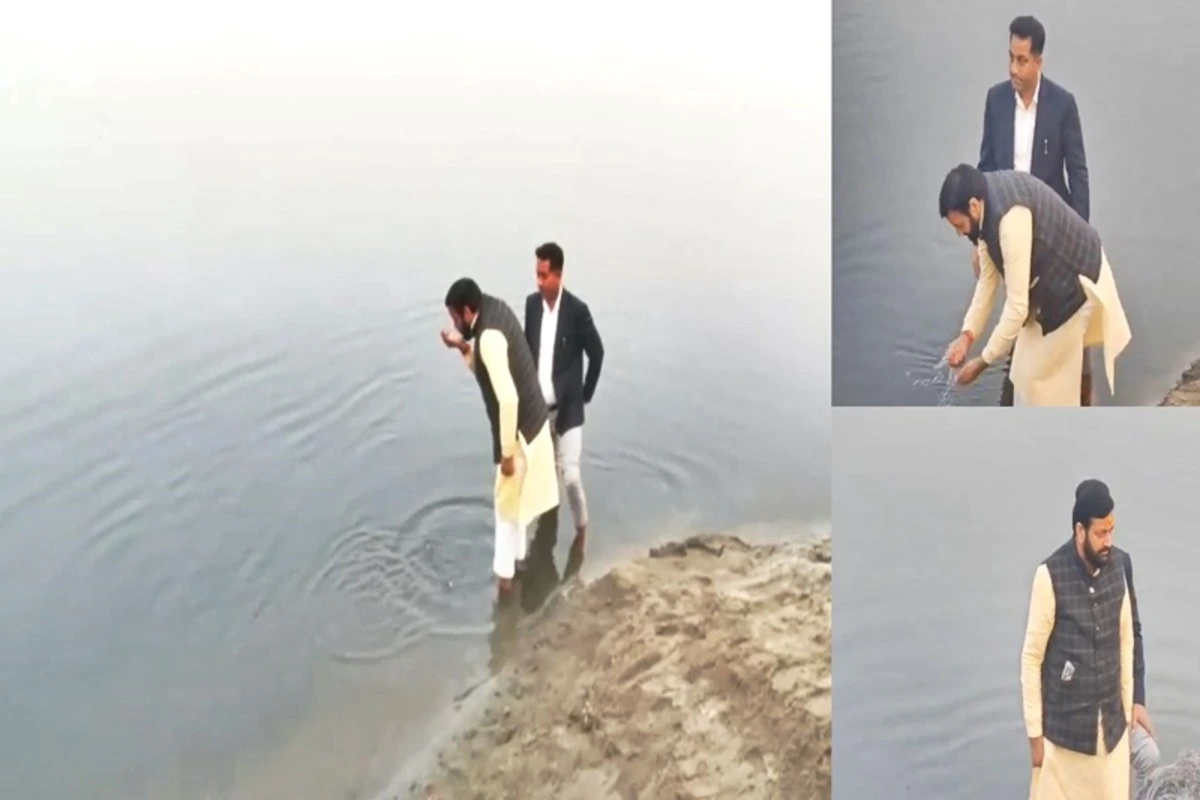
Haryana CM Drinks Yamuna Water; Slams Kejriwal Over “Poisonous” Claims
Haryana Chief Minister Nayab Singh Saini took a bold step on Wednesday by drinking water from the river near the Delhi border.