



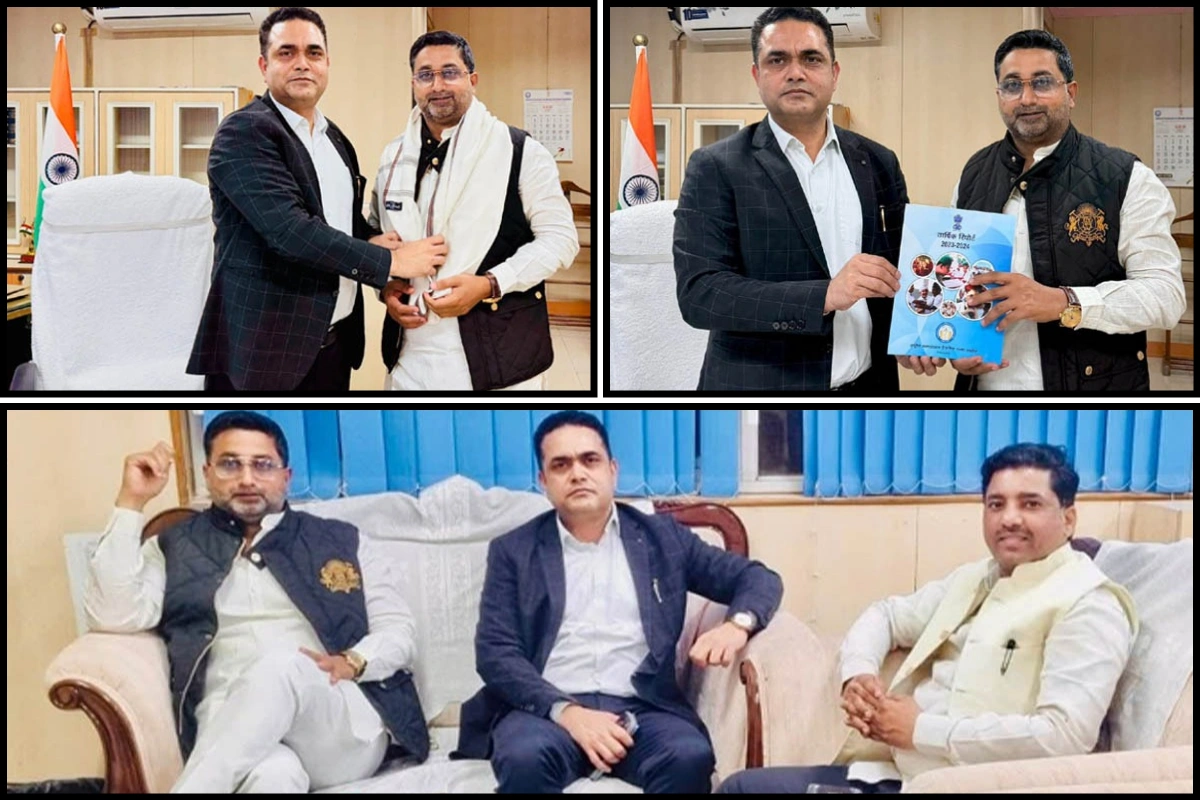
In a move signalling a strengthened focus on minority education, Uttar Pradesh’s Minister of State for Minority Welfare, Muslim Waqf, and Hajj, Danish Ahmad Ansari, undertook a key visit to the National Commission for Minority Educational Institutions (NCMEI) in New Delhi on Tuesday, December 2.
The meeting with the Commission’s officiating Chairman, Professor (Dr) Shahid Akhter, laid the groundwork for a concerted push to address challenges and harness the potential of minority-run educational institutions in the state and beyond.
The discussions were described as ‘highly productive and encouraging’ in an official communiqué. They revolved around the upliftment, development, and broader role of these institutions in nation-building.
With Uttar Pradesh home to a significant minority population, the dialogue assumes considerable importance for educational policy and social empowerment.
The officials examined the NCMEI’s annual report and legal framework. This underscored their commitment to working within the statutory provisions governing minority educational rights.
Central to the outcomes was a firm agreement to convene a joint meeting in the near future. This platform will bring together representatives of Minority Educational Institutions (MEIs) and government officials to directly address operational and regulatory hurdles.
Notably, the parties also announced plans to organise a seminal seminar in January 2025.
The seminar will explore the theme ‘Role of Minority Educational Institutions in Vikshit Bharat’ (Role of Minority Educational Institutions in a Developed India). It aims to directly link the sector’s contributions to the national development agenda.
“The meeting was a positive step towards bridging gaps and fostering a collaborative ecosystem,” a source close to the discussions noted. “Focusing on ‘Vikshit Bharat’ reframes the conversation from one of concessions to one of active participation in the country’s progress.”
The visit was, however, marked by traditional courtesy and an exchange of scholarly materials.
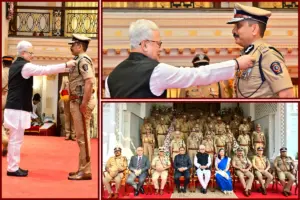
Professor Akhter welcomed Minister Ansari by presenting him with a shawl. The Chairman also shared the Commission’s annual report and a copy of the NCMEI Act, 2004. He presented his own book on Waqf law as well as his work Bhartiya Musalman: Ekta Ka Adhar Hubbulwatni (Indian Muslims: The Basis of Unity Is Patriotism). Together, these materials highlighted themes of patriotism and unity relevant to the discussions.
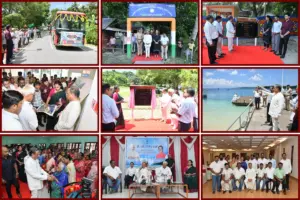
Minister Ansari toured the NCMEI’s office premises, including its courtroom, where the Commission carries out its adjudicatory functions. He also visited the conference facilities.
Additionally, the Minister expressed appreciation for the Commission’s ongoing work.
The Minister was accompanied by Javed Malik, a noted social worker, indicating community involvement in the dialogue.
Professor Akhter further expressed gratitude for the Minister’s visit, which underscores the state government’s engagement with the central statutory body.
The NCMEI was established to safeguard the educational rights of minorities enshrined in Article 30 of the Constitution. It plays a critical role in granting minority status to institutions and adjudicating related disputes.
This high-level coordination, however, suggests a proactive approach ahead of the proposed seminar.
Education activists have often highlighted issues such as funding, affiliation hurdles, and the protection of minority character for such institutions.
By planning direct talks between institution representatives and officials, the move aims to translate policy discussions into actionable solutions.
As India advances its developmental goals, this partnership between a pivotal state’s minority welfare ministry and the national commission reflects a renewed focus on education as a unifying force for economic and social advancement.
The upcoming January seminar will be closely watched for its concrete outcomes and its vision for an inclusive educational landscape.
To read more such news, download Bharat Express news apps