India has criticised the ‘disguised, de facto veto’ blocking United Nations Security Council (UNSC) reforms. It has called for clear timelines and text-based negotiations to advance the process.
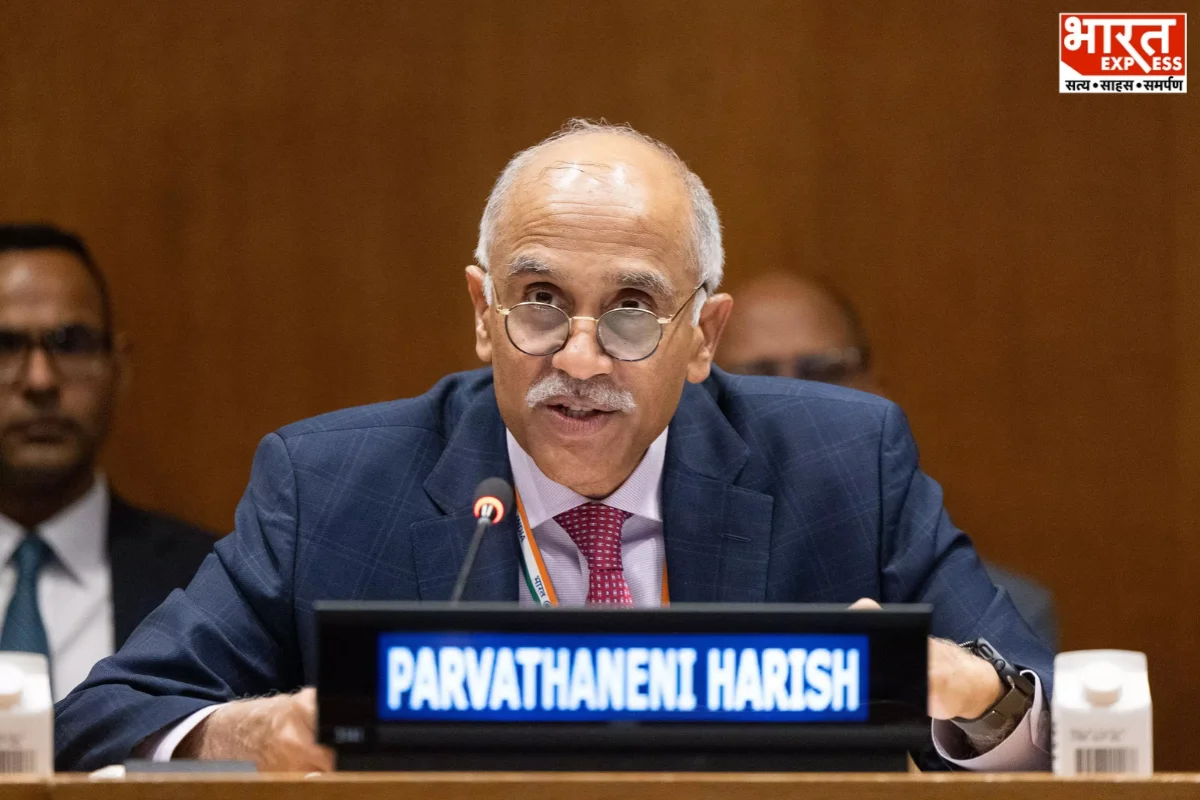
Speaking during a General Assembly debate on Monday, India’s Permanent Representative P Harish said some countries were using procedural tactics to stall the Intergovernmental Negotiations (IGN) process on Security Council reforms.
“The argument of consensus has been harnessed as a disguised, de facto veto in the IGN process as well,” Harish said.
He accused the Uniting for Consensus group, led by Italy and including Pakistan, of blocking the adoption of a negotiating text. He said a 2008 General Assembly resolution called for the “widest possible political acceptance”, not consensus.
Despite 17 rounds of negotiations, the process has produced no outcome. Harish urged countries to begin text-based negotiations with clear timelines and milestones.
He said the unwritten consensus rule allows individual Security Council members to block presidential statements, press statements and sanctions committee decisions.
He cited cases in which China blocked proposed sanctions against Pakistan-based terrorists, including Lashkar-e-Taiba operatives Zaki-ur-Rehman Lakhvi, Shahid Mahmood and Sajid Mir, and Jaish-e-Mohammed chief Masood Azhar.
Harish said reforms must improve the Council’s credibility, legitimacy and effectiveness. He called for expanded permanent membership to reflect today’s global realities.
India maintains that every country granted permanent membership through reforms must receive veto powers.
Harish rejected proposals for longer-term seats or permanent members without veto rights. He warned that such arrangements would deepen existing inequalities.
He also questioned whether requiring countries to explain their vetoes before the General Assembly had delivered meaningful change, given the continued use of veto powers.
Also Read: PM Modi Congratulates President Lula On Re-Election; Eyes Stronger India-Brazil Ties
To read more such news, download Bharat Express news apps