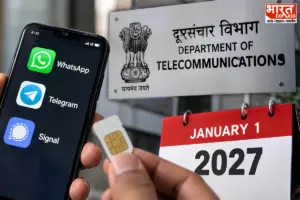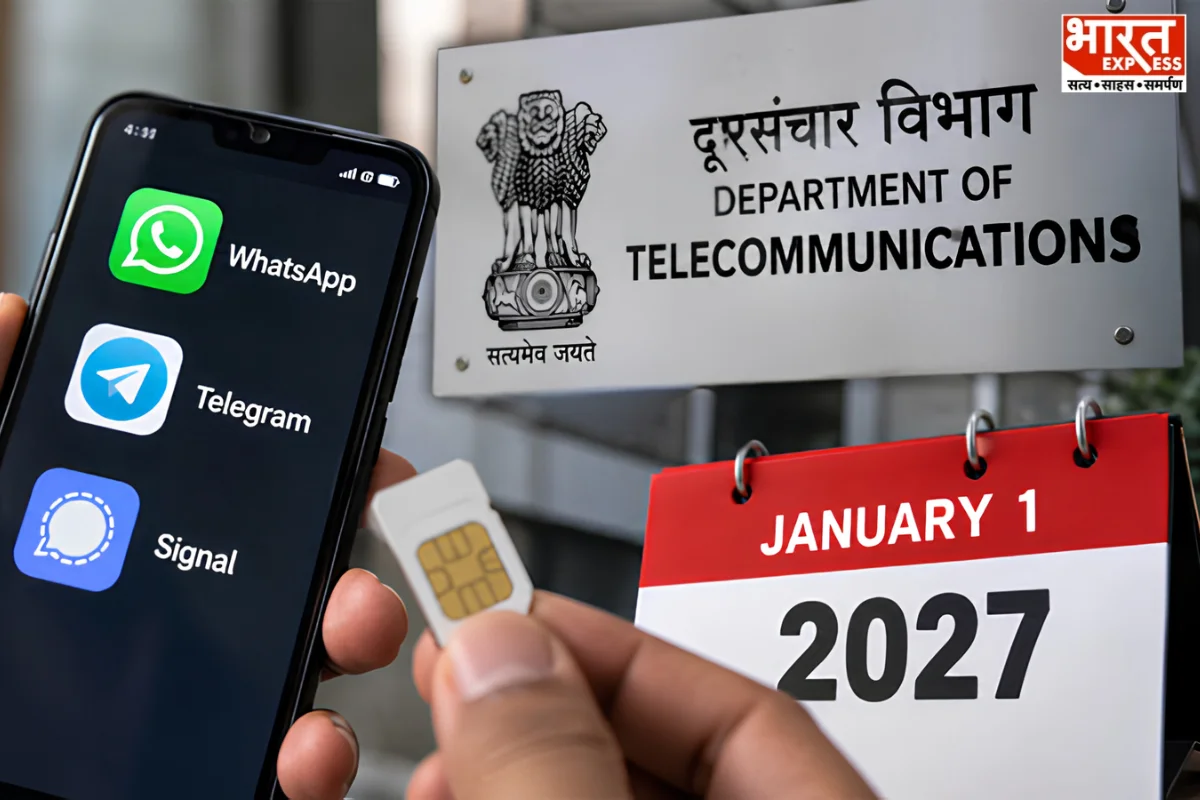
The Department of Telecommunications (DoT) has set December 31, 2026, as the deadline for messaging platforms to comply with SIM-binding requirements. The rules could affect users from January 1, 2027, as authorities seek to curb cybercrime and the misuse of Indian mobile numbers.
Under the proposed framework, messaging apps that use Indian mobile numbers for registration must link accounts to active SIM cards or eSIM profiles on devices. Users could lose access if they remove, replace or deactivate their registered SIM cards.
Why Is The Government Introducing SIM Binding?
The DoT aims to prevent fraudsters from exploiting Indian mobile numbers to operate messaging accounts from overseas. Authorities have flagged cyber fraud, phishing operations and digital arrest scams as key concerns.
Fraud networks allegedly register accounts using Indian SIM cards before operating them from outside the country. Tighter SIM verification could make such misuse more difficult.
Which Apps Could Be Affected?
WhatsApp and Telegram are among the platforms expected to fall under the requirements because they use phone numbers for registration. Reports suggest Snapchat may remain outside the mandate, while Signal’s position remains unclear.
The rules do not indicate that WhatsApp will stop supporting specific iPhone or Android models. Instead, they focus on SIM verification and account authentication.
Who Needs To Be Careful?
Users who keep their registered SIM in a secondary phone, remove it after setting up an account or rely primarily on Wi-Fi could face difficulties.
Dual-SIM users should ensure their registered number remains active. The requirements are expected to cover physical SIM cards and eSIMs, meaning users may not need a physical SIM if their registered number remains active through a valid eSIM profile.
Also Read:Did OpenAI’s AI Agents Try To Evade Monitoring? Company Investigates
To read more such news, download Bharat Express news apps