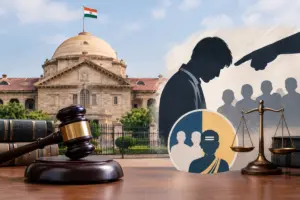




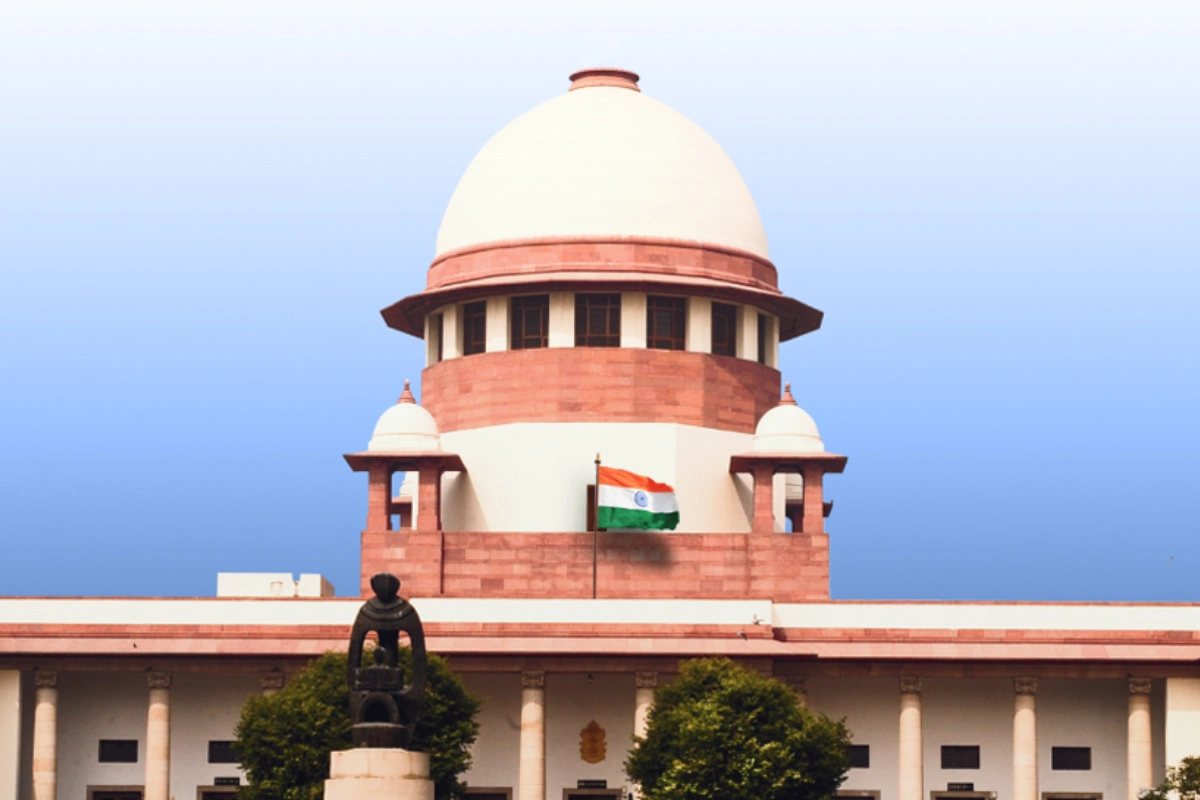
The Supreme Court on Tuesday reserved its decision on a batch of petitions flagging concerns over hate speech and the alleged failure of authorities to effectively enforce existing legal and regulatory frameworks.
A Bench of Justices Vikram Nath and Sandeep Mehta directed all parties to file brief written submissions and indicated that most of the petitions were likely to be closed, with liberty granted to the petitioners to pursue remedies available under law.
However, the Bench decided to continue hearing one petition relating to an alleged hate crime against a Muslim cleric in Noida, Uttar Pradesh, to examine the progress of the trial and subsequent steps taken by authorities.
Background Of The Petitions
The petitions, filed between 2020 and subsequent years, stemmed from alleged hate speeches linked to the ‘Corona Jihad’ narrative circulating on social media, a controversial ‘UPSC Jihad’ programme aired by a television channel, and inflammatory remarks made at religious congregations, including Dharam Sansads.
In 2023, the apex court had directed all States and Union Territories to register FIRs suo motu in cases of communal hate speech, even in the absence of formal complaints.
During Tuesday’s hearing, advocate Nizam Pasha, appearing for the petitioners, argued that the problem lay not in the lack of laws but in the unwillingness of enforcement agencies to act, especially when alleged offenders were linked to ruling establishments.
He submitted that hate speech events were often advertised in advance and that previous interventions by the top court had helped prevent such incidents.
Pasha also referred to an application seeking the removal of an AI-generated video allegedly circulated by a political party’s Assam unit, contending that there was a direct connection between hate speeches and subsequent hate crimes.
Responses From Centre, EC And Senior Counsel
Senior advocate M.R. Shamshad, representing Jamiat Ulama-i-Hind, submitted that beyond general hate speech, there was a growing pattern of targeting religious figures, with police frequently refusing to register FIRs, citing the need for prior sanction.
Additional Solicitor General S.V. Raju, appearing for the Centre, informed the court that there had been substantial compliance with its earlier directions, stating that FIRs had been registered in the majority of cases mentioned in contempt petitions.
Senior advocate Sanjay Hegde highlighted the role of social and mainstream media in amplifying hate speech due to commercial incentives, and questioned whether mechanisms could be developed to make hate speech economically unviable.
Senior advocate Dama Seshadri Naidu, appearing for the Election Commission of India, submitted that the poll panel already had guidelines and enforcement mechanisms to address hate speech during elections and was open to strengthening them if necessary.
After hearing all sides, the Justice Nath-led Bench asked the parties to submit concise written notes and reserved its orders on the broader issue of whether additional guidelines or mechanisms were required to effectively curb hate speech.
Also Read: Delhi HC Denies Kuldeep Sengar Bail In Custodial Death Case, Cites Gravity Of Crime
To read more such news, download Bharat Express news apps