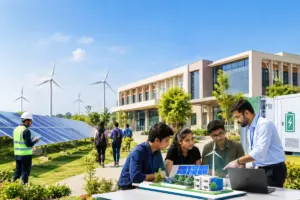



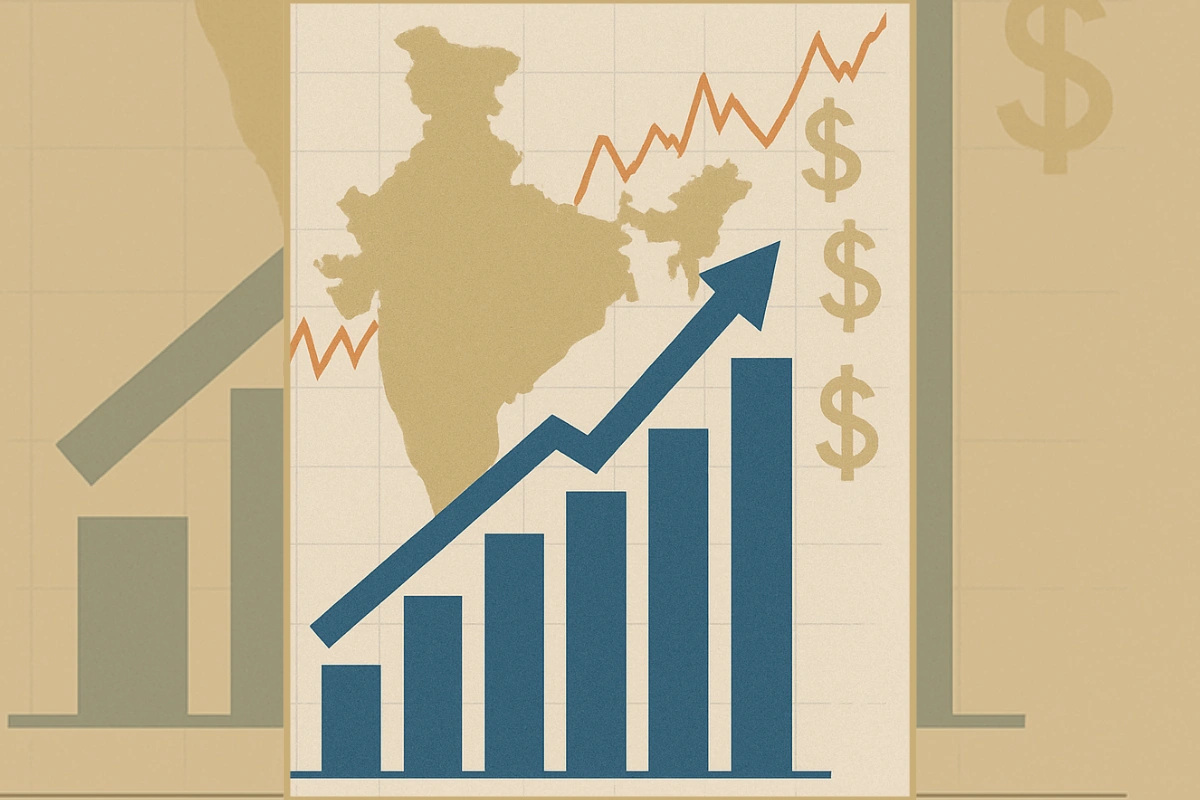
Steady As She Goes: India’s Economy Shows Cautious Optimism For FY26
India’s FY26 outlook is steady, with 6.2%–6.5% growth, low inflation, and supportive policy. Risks remain from weak exports and global uncertainty.
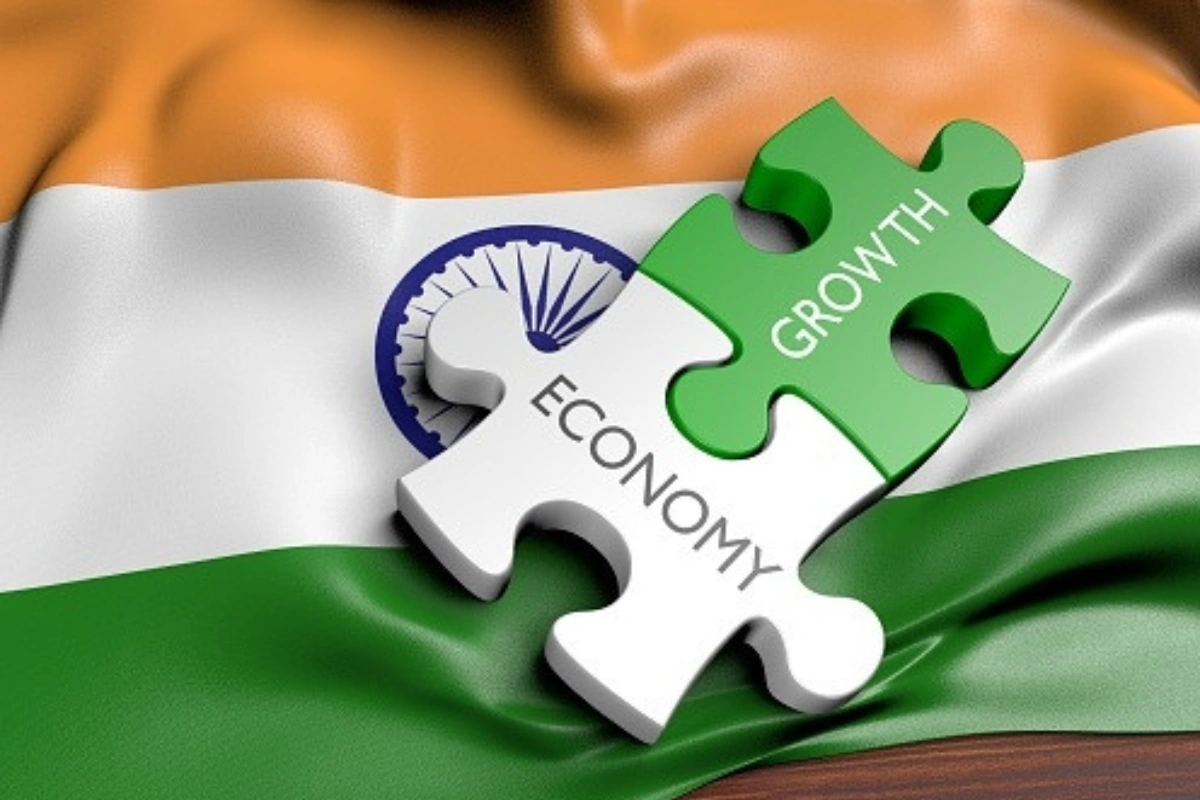
India Set To Become 3rd-Largest Economy By 2028, Powered By States Driving $10.6 Trillion Growth By 2035: Morgan Stanley
Morgan Stanley projects that India will become the third-largest economy in the world by 2028. It expects the Indian economy to more than double in size to $10.6 trillion by 2035.

Rajeshwar Singh’s Women Empowerment Vision Wins Praise From Acharya Pramod
Acharya Pramod hailed Rajeshwar Singh’s initiatives as a 'beacon of hope', praising his focus on women’s empowerment.
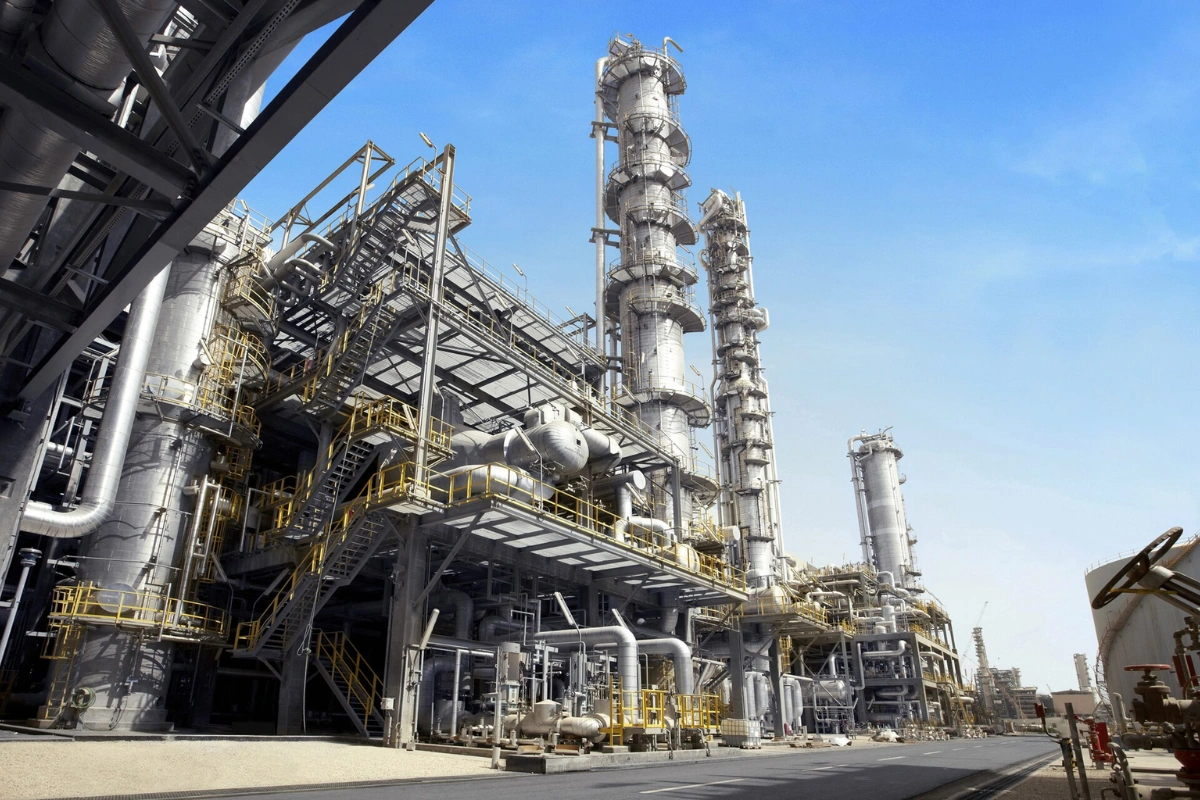
India Poised To Become A Global Chemical Supply Hub: McKinsey Report
India’s chemical industry revenue grew at a CAGR of 10.5% from FY18 to FY24, outpacing the 9% GDP growth during the same period. This growth shows the sector’s resilience and potential.
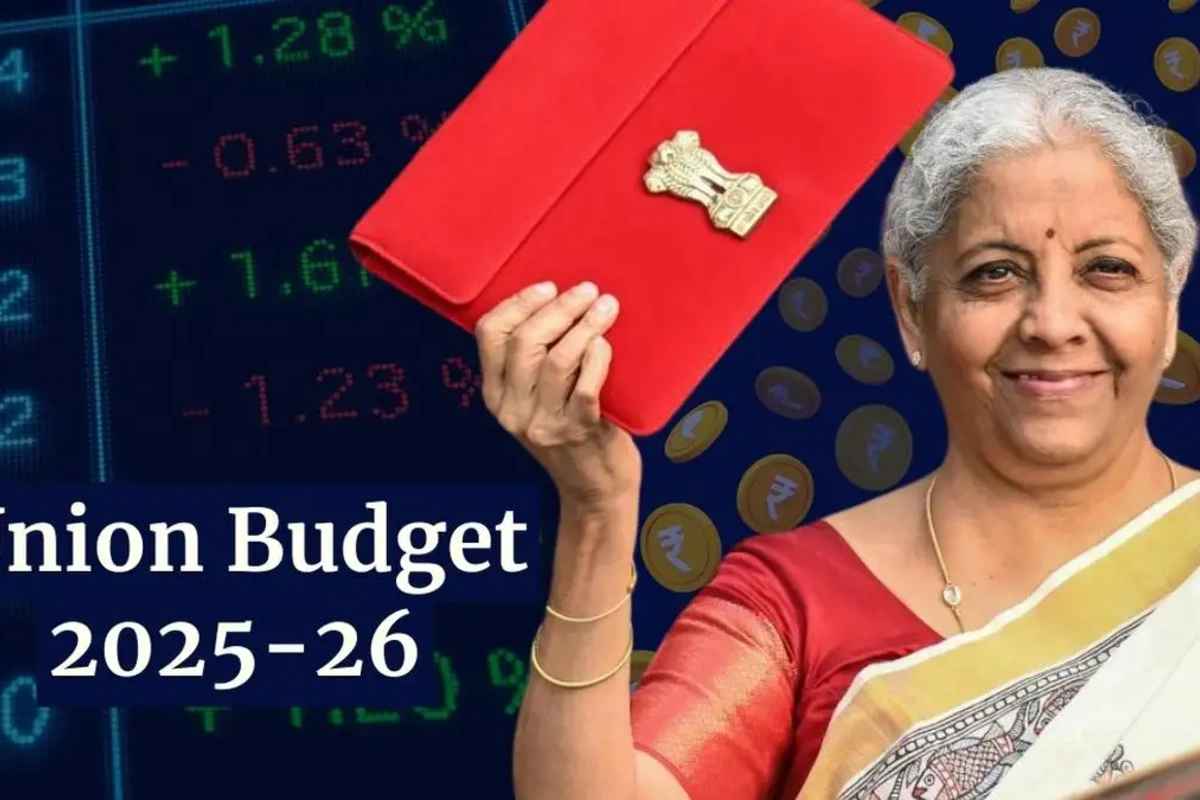
Budget 2025-26: Boosting Growth With Smart Spending And Tax Relief
Capital expenditure remains a priority. The allocation for FY26 has increased to ₹11.21 lakh crore, up from ₹10.18 lakh crore in FY25. Over the past decade, capital spending has been a key growth driver, creating jobs and boosting the economy.

Union Budget 2025: A Major Step In Strengthening India’s Healthcare System, Says Dr. DK Gupta
The Union Budget 2025 has introduced key measures aimed at enhancing India’s healthcare infrastructure.
Investments By Indian Firms Surge 39% To Rs 32 Lakh Crore In April-Dec 2024: SBI Report
Indian companies have announced investments exceeding ₹32 lakh crore during the first nine months (April-December) of FY24, marking a 39%.
6.2% GDP Growth For December Quarter, Economic Recovery Expected: RBI Report
The growth of 6.2% in India's GDP for the December quarter of fiscal 2025 is projected as per RBI's latest report.

Maha Kumbh 2025 Set To Boost Economy With Over ₹4 Lakh Crore Trade
The event, known as the largest religious congregation on Earth, is expected to generate over ₹4 lakh crore in trade. Industry experts predict that this will significantly boost India’s GDP.
India’s Economic Growth To Strengthen In 2025: Franklin Templeton
Despite a slowdown in 2024, India’s long-term growth outlook stays strong. The report suggests that the 2024 slowdown is temporary.