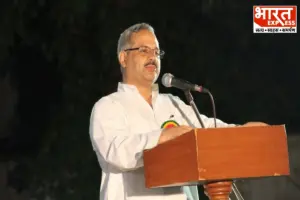




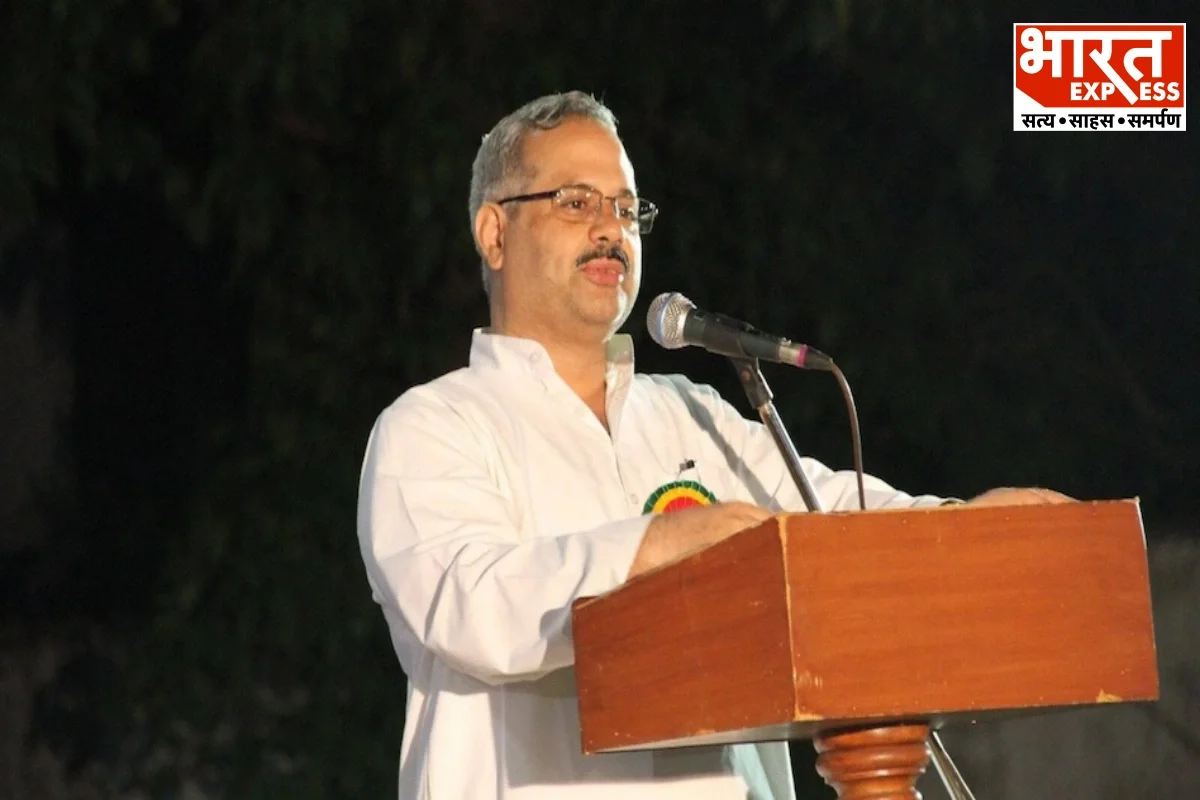
Rashtriya Swayamsevak Sangh (RSS) All India Publicity Chief Sunil Ambekar described the UGC Equity Regulations 2026 as ‘imbalanced’, highlighting differences between the BJP government and its ideological ally. His remarks came ahead of the RSS’s three-day All India Executive Committee meeting in Indore.
Ambekar said the concerns had reached the relevant authorities and that the government and UGC had taken note of them. He stressed that any future decision must maintain social unity. The Supreme Court’s stay on the regulations and the government’s review have kept the issue under discussion.
Introduced in January, the regulations aim to prevent caste-based discrimination in higher educational institutions. They require institutions to establish equity committees with representation from OBCs, SCs, STs, persons with disabilities and women.
Opponents argue that the rules lack clear safeguards for general-category students and provisions to address false complaints. Ambekar said Indian society was not so fragile that a single circular could destabilise it, but insisted that future decisions must remain balanced.
Uttar Pradesh’s Political Dynamics Under Scrutiny
The controversy has also brought attention to the relationship between the BJP’s central leadership, its organisation and the Uttar Pradesh government.
Questions have emerged over the appointment of a permanent DGP, the selection of Chief Secretary Durga Shankar Mishra despite reports that Yogi Adityanath preferred Avanish Awasthi, and Pankaj Chaudhary’s appointment as state BJP president.
Harish Dwivedi’s political responsibility in Uttar Pradesh has also prompted discussion. He had earlier protested against the Yogi government’s bulldozer action in Basti. Critics have questioned his subsequent appointment as a Brahmin face, while some interpret it as an organisational balancing exercise.
Speculation surrounding Dhanraj Nathwani’s Rajya Sabha nomination from the Samajwadi Party and claims involving Ram Gopal Yadav have added to the discussion about political relationships. These claims remain separate from established facts.
Ambekar said citizens had the right to raise questions on national issues, but warned against anti-national forces exploiting public movements. He added that the RSS should not be expected to support or oppose every protest.
The remarks came amid growing youth and Generation Z movements. The UGC controversy highlights the challenge of balancing democratic dissent with national interests, particularly when government policies themselves trigger protests.
The RSS’s position highlights the importance of social consensus in policymaking. The government must consider the concerns of students, teachers, administrators, social organisations and academics while reviewing the regulations.
Safeguards against discrimination remain important, alongside transparent procedures, protection against false complaints and respect for every student’s dignity.
Ambekar’s call for a balanced decision has therefore brought the UGC controversy beyond education policy and into a wider discussion about social harmony and the relationship between the BJP government, the RSS and the Uttar Pradesh leadership.
Also Read: Rahul Gandhi Can Become PM Only In ‘Mock Parliament’, Says Amit Shah
To read more such news, download Bharat Express news apps