

AI Generated Image
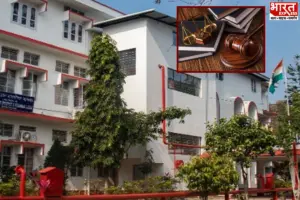
The Supreme Court on Monday directed the Centre to take a decision within four weeks on a representation seeking registration, recognition, regulation and monitoring of all institutions imparting secular or religious education to children below the age of 14 years.
A Bench of Justices Dipankar Datta and SC Sharma disposed of a writ petition filed by advocate Ashwini Kumar Upadhyay after noting that the petitioner had already submitted a representation before the Union Ministry of Education on February 10 this year.
During the hearing, the apex court declined to entertain the plea at this stage and asked the petitioner to await the outcome of the pending representation before the Centre.
Case Background
The Bench observed that in an earlier petition filed by the same petitioner, the Supreme Court had refused to interfere and instead granted liberty to approach the competent authority.
“The first time you came without a representation, we said that once you are seeking a mandamus in terms of the 1974 judgment, you are required to first go to the authority for your grievance. Not much time has lapsed. On February 10, you submitted your representation,” the court observed.
When the petitioner requested the Bench to treat the present writ petition as a representation, the Bench declined the request. It stated that the competent authority should first decide the representation already pending before it.
The petition sought directions to the Centre and state governments to register, recognise, supervise and monitor all institutions imparting secular education and/or religious instruction to children below 14 years. It argued that thousands of unregulated and unrecognised institutions across the country were operating without adequate supervision, potentially affecting children’s right to quality education under Article 21A of the Constitution.
The plea also sought declarations regarding the interpretation of Articles 26 and 30 of the Constitution and requested guidelines for identifying minorities under Article 30.
Also Read: Constitution, Not Parliament, Is Supreme In Democracy: Former CJI BR Gavai
To read more such news, download Bharat Express news apps