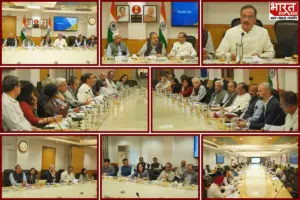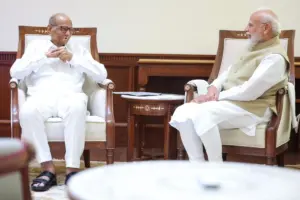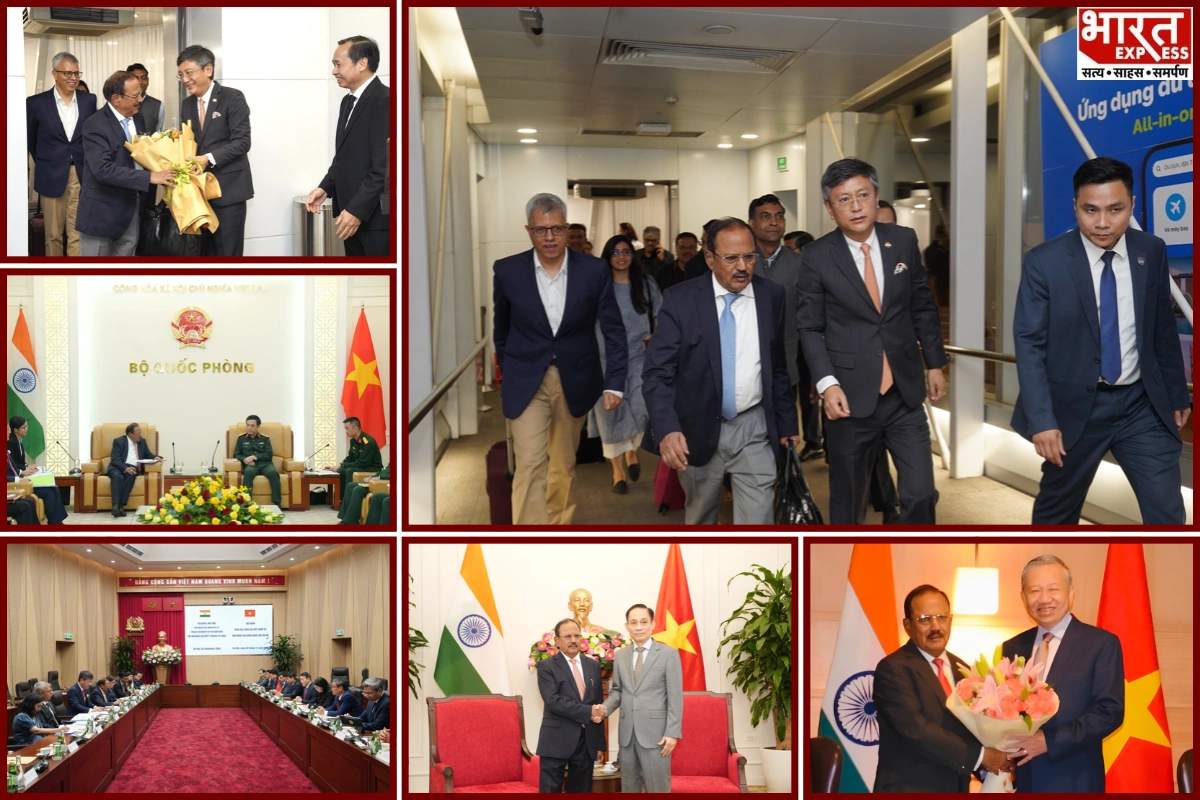
India’s National Security Adviser Ajit Doval held a series of high-level meetings in Vietnam this week, highlighting the growing strategic partnership between New Delhi and Hanoi at a time of increasing competition in the Indo-Pacific.
Doval’s visit aimed to review and strengthen the India-Vietnam Enhanced Comprehensive Strategic Partnership, with particular emphasis on defence, security and regional stability.
The visit followed recent security talks between the two countries and came months after India and Vietnam elevated their bilateral relationship to a higher strategic level.
During his stay in Hanoi, Doval met General Phan Van Giang, Vietnam’s Deputy Prime Minister and Minister of National Defence. The two leaders reviewed ongoing defence cooperation and agreed to expand engagement in the sector.
The National Security Adviser held delegation-level talks with General Luong Tam Quang, Vietnam’s Minister of Public Security. Discussions covered security cooperation, along with regional and global developments.
The meetings reflected a broader trend.
Defence ties between India and Vietnam have grown steadily over the past decade. The two countries now conduct military exercises, coast guard drills, naval exchanges and training programmes.
Cooperation has expanded into areas such as maritime security, cybersecurity, defence technology and counter-terrorism.
For India, the partnership offers several strategic advantages.
Vietnam is located along the South China Sea, one of the world’s most important maritime trade routes.
Closer defence ties with Hanoi strengthen India’s presence in Southeast Asia and reinforce its broader Act East Policy.
A deeper relationship creates opportunities for defence exports, military training and collaboration between the two countries’ defence industries.
Vietnam has expressed interest in Indian defence equipment, including the BrahMos cruise missile.
The partnership strengthens India’s position in the Indo-Pacific, with both countries supporting a free, open and rules-based regional order. India and Vietnam share concerns over maritime security and freedom of navigation.
While neither country publicly describes the relationship as an alliance against China, its strategic significance is evident.
China has territorial disputes with Vietnam in the South China Sea and remains India’s principal military challenger along the Himalayan border.
As Beijing expands its influence across Asia, New Delhi and Hanoi are strengthening cooperation to maintain a greater strategic balance.
Stronger military ties, joint exercises, defence exports and security coordination provide both countries with additional leverage in responding to China’s growing influence.
For India, a stronger Vietnam represents a trusted partner close to China’s maritime sphere. For Vietnam, closer ties with India provide another major Asian power to engage with while preserving its strategic autonomy.
NSA Ajit Doval’s visit, therefore, went beyond routine diplomacy. It signalled closer defence and security cooperation between India and Vietnam, driven by shared interests and changing geopolitical dynamics in the region.
Also Read: White House Lists India Among Countries With New US Trade Deals Despite Pact Yet To Be Signed
To read more such news, download Bharat Express news apps