



A high-powered selection committee featuring Prime Minister Narendra Modi, Home Minister Amit Shah and Leader of the Opposition Rahul Gandhi met behind closed doors on Wednesday to decide fresh appointments to two of India’s most important oversight bodies: the Central Information Commission and the Central Vigilance Commission.
The panel evaluated candidates for a new Chief Information Commissioner, eight Information Commissioners and a member of the CVC, marking one of the largest institutional resets in recent years.
The meeting lasted nearly 90 minutes and quickly turned contentious.
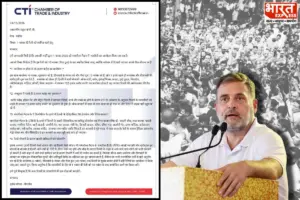
Rahul Gandhi challenged several names proposed by the government, questioning whether they would safeguard institutional independence or merely reinforce executive influence.
He formally submitted a written note of dissent, signalling deep political friction over the stewardship of bodies that anchor India’s transparency and anti-corruption architecture.
Under Section 12(3) of the Right to Information Act, the Prime Minister chairs this statutory panel, which includes the Leader of the Opposition and a minister nominated by the Prime Minister.
The government previously assured the Supreme Court that the committee would meet on December 10 to address these long-delayed appointments.
With mounting public pressure and judicial scrutiny, the urgency to fill the vacancies has reached a critical point.
CIC Struggles With Severe Staff Shortage
The CIC today operates with just two commissioners while more than 30,000 RTI appeals stand unresolved. Eight commissioner posts remain vacant, choking the Commission’s ability to process cases efficiently.
Citizens seeking information have faced months-long delays, raising concerns about the weakening of the RTI framework.
While the primary agenda centred on CIC vacancies, the panel also reviewed candidates for the Central Vigilance Commission.
The CVC plays a core role in overseeing corruption probes, monitoring integrity mechanisms within government departments, and protecting the credibility of public administration.
Any attempt to influence such bodies, opposition sources argue, risks undercutting the checks that prevent executive overreach.
Rahul Gandhi’s dissent reflects a broader opposition worry: that the government’s preferred candidates could dilute the independence of institutions meant to serve the public, not the ruling establishment.
Critics warn that partisan appointments would erode trust in transparency bodies already burdened by backlogs and controversy.
As the panel prepares for its next round of deliberations, the stakes remain high. The final choices will determine whether the CIC and CVC regain their full operational strength or fall deeper into political mistrust.
India’s accountability ecosystem now waits to see whether this process reinforces democratic oversight or triggers another round of institutional turbulence.
Also Read: PM Modi Welcomes Inclusion Of Deepavali In UNESCO Intangible Heritage List
To read more such news, download Bharat Express news apps