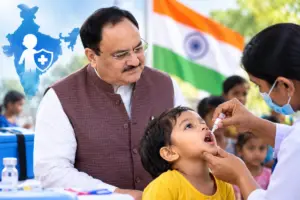




In a major push to strengthen cancer care across India, the government has announced the establishment of Day Care Cancer Centres (DCCCs) in district hospitals over the next three years, according to an official statement.
The decision was unveiled in the Union Budget 2025-26, with 200 centres slated to be set up during 2025-26 itself.
The initiative aims to decentralise chemotherapy services and reduce the burden on large tertiary hospitals, while making treatment more accessible to patients closer to their homes.
Cancer treatment often involves repeated hospital visits over several months, with patients undergoing multiple chemotherapy cycles and follow-ups. For those living in rural areas or belonging to economically weaker sections, frequent travel to city-based tertiary hospitals is both physically exhausting and financially draining.
Expenses related to travel, accommodation, food and loss of daily wages significantly increase the overall burden. Patients receiving chemotherapy are usually weak and require a caregiver, adding to income loss and family stress.
By providing chemotherapy services at district hospitals, the new centres are expected to reduce travel distances and indirect costs, enabling families to save money and minimise disruption to their daily lives.
Focus On Training And Drug Availability
Before approving the centres, the government conducted a detailed gap analysis in consultation with states and Union Territories. Districts were selected based on cancer burden, patient load and available infrastructure.
The programme also prioritised training and capacity building. Medical officers and nurses from selected districts underwent four to six weeks of hands-on training at mentor institutes, including government medical colleges, regional cancer centres and State Cancer Institutes.
Training covered chemotherapy administration, dose calculation, management of side effects, emergency handling, infection control, safe drug handling and patient counselling.
A key feature of the initiative is the free supply of essential chemotherapy drugs at public health facilities. With medicines forming a major share of treatment costs, this step is expected to significantly reduce out-of-pocket expenditure.
Procurement and supply systems have also been strengthened to ensure regular availability of these drugs.
To read more such news, download Bharat Express news apps