



Over the past decade, India’s tourism sector has undergone one of its most coordinated phases of government-led expansion.
What sets this period apart is the systematic integration of three major schemes, PRASHAD, Swadesh Darshan and the revamped Swadesh Darshan 2.0, backed by clear financial allocations and measurable outcomes.
Together, these programmes represent an investment of over ₹9,225 crore across 183 projects nationwide.
PRASHAD: Modernising Pilgrimage Without Losing Heritage
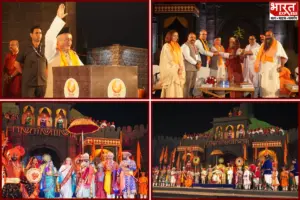
Launched in 2015, PRASHAD became the first major attempt to upgrade pilgrimage destinations with modern amenities while preserving their spiritual character.
Of the 54 sanctioned projects worth ₹1,726 crore, nearly 60% are complete—remarkable given the cultural sensitivity and infrastructural challenges at religious sites.
From upgraded arrival plazas and waste-management systems to ramps and e-vehicles, the scheme focuses on integrated, inclusive development.
Additionally, significant investments include projects at Srisailam, Somnath, Hazratbal and Kedarnath. An evaluation by IIM Rohtak in 2021 reported markedly improved visitor satisfaction.
Swadesh Darshan: Circuits That Connect India
Swadesh Darshan introduced a thematic circuit-based model, replacing isolated interventions with integrated tourism routes—Coastal, Spiritual, Eco, Buddhist, Tribal and others. Of 76 projects sanctioned at a cost of ₹5,290 crore, 75 have been completed.
The scheme has strengthened regional economies while balancing conservation and tourism. The North-East, coastal states, heritage cities and eco-sensitive regions have all benefited from this approach.
Swadesh Darshan 2.0: From Circuits to Experiences
Recognising saturation in the circuit model, the government, however, shifted to destination-centric planning under Swadesh Darshan 2.0.
With 53 projects worth ₹2,208 crore, SD 2.0 emphasises sustainability, local participation and immersive experiences.
From Andhra Pradesh’s Suryalanka Beach and Araku’s Borra Caves to Bihar’s Buddhist Meditation Centre and Kerala’s Alappuzha Water Wonderland, the scheme, however, focuses on curated, high-quality visitor experiences aligned with global tourism trends.
Building Skilled Tourism Workers
Complementing infrastructure, the Ministry’s Capacity Building for Service Providers programme trains youth and women for tourism-related jobs, ensuring professional service delivery and broadening employment opportunities.
A New National Tourism Architecture
Uttar Pradesh and Andhra Pradesh exemplify the balanced spread of investments across PRASHAD, Swadesh Darshan and SD 2.0.
With strong state participation and central oversight, tourism development today reflects data-driven planning and disciplined execution.
With more than ₹9,225 crore sanctioned and dozens of projects completed, India’s tourism landscape is being reshaped into a more sustainable, visitor-friendly and globally competitive ecosystem.
Also Reads India’s Expanding Concert Culture Sparks A New Economic Wave
To read more such news, download Bharat Express news apps