



AI Generated Image
India’s foreign relations under Prime Minister Narendra Modi are best understood as multi-alignment: working with competing power centres without becoming fully dependent on any one camp. The Quad helps India deepen Indo-Pacific cooperation with the United States, Japan and Australia, while BRICS keeps India engaged with Russia, China and the wider Global South. This guide explains the logic, risks and exam-ready arguments behind Indian foreign policy in the Modi era.
Why Does India Work With Both Quad and BRICS?
India works with both because each forum serves a different strategic purpose. The Quad supports India’s interest in a free, open and rules-based Indo-Pacific, especially as China’s maritime and border assertiveness shapes New Delhi’s security thinking. BRICS, meanwhile, gives India a platform to argue for multipolarity, global governance reform, development finance and a stronger voice for emerging economies.
This is not simple fence-sitting. It is a calculated form of Indian diplomacy designed to preserve autonomy while gaining leverage. In the foreign policy of the Modi-era essay UPSC context, the key phrase is ‘strategic autonomy with active partnerships’.
The Logic of Multi-Alignment
India’s earlier non-alignment avoided formal bloc politics. PM Modi’s foreign policy has made that approach more active, transactional and leader-driven. New Delhi now joins issue-based coalitions: it may cooperate with Washington on maritime security, maintain defence and energy ties with Moscow, compete with Beijing on borders, and still sit with China in BRICS or the SCO.
This style gives India room to manoeuvre. It also reflects India’s own official emphasis on peaceful coexistence, multilateralism, South-South cooperation and a long-standing strategic relationship with Russia.
Key benefits include:
- Strategic Autonomy: India avoids being treated as a junior ally of any power.
- Security Options: The Quad strengthens maritime, technology, cyber and supply-chain cooperation.
- Economic Reach: BRICS connects India to emerging-market debates on finance, development and reform.
- Diplomatic Leverage: Engagement with all sides increases India’s bargaining power.
Strategic Tensions in the Modi Era
Balancing two boats is difficult because the boats often move in opposite directions. The US expects closer alignment on China and global rules. Russia expects India to preserve historic defence and geopolitical ties. China remains both a BRICS partner and India’s most serious strategic competitor.
Managing China Without Closing Dialogue
India’s participation in the Quad signals concern about coercion, sea lanes and regional balance. Yet India cannot ignore China: the two share a disputed border, major trade links and membership in BRICS. This makes India’s foreign policy under PM Modi a mix of deterrence and dialogue, not permanent confrontation.
Keeping Russia Close Without Alienating the West
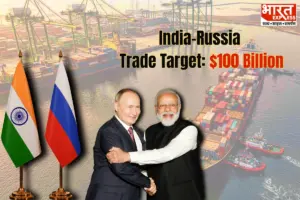
Russia remains important for India’s defence ecosystem, energy interests and continental strategy. PM Modi’s July 2024 visit to Russia and India-Russia statements stressed cooperation in defence, energy, nuclear, space, trade and political consultations.
What Does This Mean for India’s Foreign Relations?
It means India is trying to become a pole in the international system, not merely choose between existing poles. The foreign policy of PM Modi seeks partnerships that advance national interests, whether through the Quad’s Indo-Pacific agenda or BRICS’ Global South language.
For analysis, remember this framework:
- Principle: Strategic autonomy.
- Method: Multi-alignment across rival platforms.
- Opportunity: More influence in global governance.
- Risk: Pressure from partners when crises force choices.
- Outcome: Flexible but complex Indian foreign policy.
Exam-Ready Conclusion
India is not simply riding two boats for convenience; it is trying to design its own route through a fragmented world order. The Quad gives India strategic depth with the US and its allies, while BRICS protects space for Russia ties, Global South leadership and multipolar diplomacy. The success of the foreign policy of PM Modi will depend on whether India can keep this balance credible when great-power rivalry becomes sharper.
Also Read: How India Buying Discounted Russian Saudi Oil via BRICS Pay Keeps Petrol Prices Lower In India
To read more such news, download Bharat Express news apps