



Prime Minister Narendra Modi and Chinese President Xi Jinping are set for closely watched talks in New Delhi as India hosts the 18th BRICS Summit on September 12–13, 2026. The meeting matters because it brings the top leadership of Asia’s two largest powers into direct strategic discussions after years of tension over the Line of Actual Control and uneven trade ties. Xi’s visit is his first to India in seven years, making the India-China meeting a key test of whether the recent thaw can move from symbolism to practical border and economic outcomes.
Why Is the Modi-Xi Meeting Important Now?
The Modi-Xi meeting is important because it comes after a period in which border negotiations, military disengagement, and diplomatic relations have all been closely linked. Since the 2020 crisis in eastern Ladakh, New Delhi has repeatedly signalled that peace and tranquillity along the LAC are essential for broader normalisation, while Beijing has pushed for a wider reset in ties. The latest meeting gives both leaders a chance to endorse progress already made by officials and decide whether trade, travel, and investment channels can reopen more fully without weakening India’s border posture.
The timing also gives the encounter added weight. China confirmed that Xi would attend the New Delhi BRICS summit at PM Modi’s invitation, while Indian and international reports said the bilateral meeting would take place on Saturday on the summit sidelines. That makes the India-China summit not just a multilateral event, but also a platform for testing whether the two governments can manage rivalry through direct leader-level diplomacy.
Border Negotiations Remain the Central Test
For India, the strongest measure of progress will be what happens on the LAC after the handshakes and summit photographs. The phrase ‘Modi-Xi Meeting LAC Disengagement’ captures the core issue: diplomatic warmth will carry limited value unless it is matched by durable military de-escalation, verified disengagement, and predictable patrolling arrangements in sensitive sectors.
The groundwork for this meeting laid before Xi arrived. On August 25, 2026, National Security Adviser Ajit Doval and Chinese Foreign Minister Wang Yi held the 25th round of Special Representatives’ talks on the boundary question in Beijing. China’s official readout said the two sides reached eight points of outcome and consensus, including commitments to continue boundary settlement discussions, improve border management mechanisms, and maintain communication on trans-border river issues.
Those steps are useful, but they do not equal a final boundary settlement. The Line of Actual Control remains disputed, and differences over the perception of the border have historically made local incidents difficult to contain. The practical question after the Modi-Xi meeting is whether political guidance from the top can strengthen military hotlines, commander-level meetings, and rules for patrolling so that tactical friction does not derail diplomatic relations again.
Trade Gives Both Sides an Incentive to Keep Talking
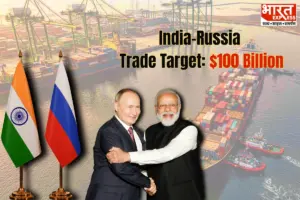
Even with political distrust, India-China trade has continued to grow, giving both capitals a reason to stabilise ties. Indian government data from the Embassy of India in Beijing lists total bilateral goods trade at $151.10 billion in the financial year 2025–26, with India importing $131.63 billion from China and exporting $19.47 billion. The same data shows a trade deficit of $112.16 billion, underlining why trade access, supply-chain dependence, and market imbalance are likely to feature in any strategic discussions.
That imbalance is not a side issue. For Indian businesses, Chinese inputs remain important in electronics, machinery, chemicals, solar components, and other industrial supply chains. For policymakers, however, high import dependence creates strategic vulnerability, especially when border tensions or regulatory restrictions interrupt normal commercial activity.
A limited thaw could therefore focus on practical economic steps rather than a sweeping reset. These may include smoother visa processes for business travellers, clearer investment screening, market access for Indian goods, the restoration of travel links where feasible, and sector-specific talks on supply chains. The challenge for New Delhi is to secure economic predictability without allowing trade normalisation to outpace progress on border security.
Key Points to Watch After the Meeting
The immediate headlines may focus on optics, but the real test will come in the follow-through. Watch for:
- A Clear LAC Reference: Any joint or separate readout that stresses peace, tranquillity, disengagement, or patrolling will show whether the border remains the condition for wider normalisation.
- Movement on Military Communication: More hotlines, commander-level meeting points, or faster local escalation channels would suggest that the border negotiations are becoming more operational.
- Trade-Balancing Signals: Commitments on market access, business visas, or sectoral economic dialogue would indicate that both sides want to manage the trade deficit problem through engagement.
- Language on Long-Term Rivalry: If both leaders frame each other as partners rather than threats, it could lower the diplomatic temperature, although wording alone will not resolve structural disputes.
- Implementation Timelines: Concrete dates for follow-up official meetings would matter more than broad statements of intent.
The Breakthrough Is Cautious, Not Complete
Calling the meeting a breakthrough is fair only in a limited sense. Xi’s return to India after seven years and the resumption of high-level contact show that both governments want to prevent the relationship from being defined solely by the 2020 border crisis. Reports ahead of the summit also noted that the visit could consolidate a diplomatic thaw, even as trade and business recovery remained uncertain.
Still, India-China relations are not returning to the pre-2020 template overnight. Strategic competition remains visible in the Himalayas, the Indian Ocean, technology policy, and regional influence. The summit can reduce risks, reopen channels, and create space for economic talks, but it cannot erase the mistrust created by years of military deployment and unresolved territorial claims.
For now, the Modi-Xi meeting at Bharat Mandapam serves as a high-level checkpoint. If it produces firmer LAC disengagement mechanisms and a more balanced economic agenda, it could mark the most meaningful step in bilateral stabilisation since the Ladakh crisis. If leaders use only diplomatic language, they will leave the breakthrough symbolic, while developments on the ground along the border will continue to determine the next phase of India-China ties.
Also Read: 20 Years Of BRICS: How India’s ‘Humanity First’ Theme Shapes The Next 20-Year Roadmap
To read more such news, download Bharat Express news apps