



AI Generated Image
Every Asian Games brings renewed hopes that India will win more medals and make its mark in additional sports. Yet the gap between India and Asia’s leading sporting nations remains a recurring concern.
The reasons go beyond performance at a single tournament, reflecting social attitudes, training systems and the way talent is nurtured.
India and China are both populous nations, but China has spent decades building a structured sporting pathway from schools to international competition.
India’s development has been slower, with differences in public attitudes, government priorities, coaching continuity and early talent identification all playing a role.
For many years, families and schools have viewed education as the safest route to success and treated sport as a hobby rather than a career.
This has limited opportunities to identify and develop promising athletes from a young age.
Cricket and the Wider Sporting Landscape
Cricket’s popularity has helped strengthen India’s sporting identity, but other disciplines have not always received comparable investment, attention or audiences.
Expanding pathways in athletics, swimming, wrestling, gymnastics, fencing and shooting could broaden the country’s medal prospects without diminishing cricket’s place.
Medal celebrations matter, but sustained success depends on preparation long before major events: early identification, quality coaching, modern facilities and regular competition against strong opponents.
India also needs a deeper pool of athletes, rather than relying on a handful of stars.
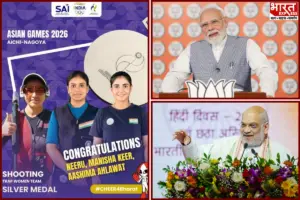
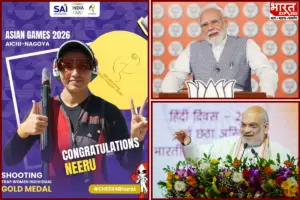
Manu Bhaker’s achievements illustrate the impact of performing on major stages, but lasting progress requires several competitive athletes in each discipline, including strong reserves ready to step in when needed.
Governments, sports federations, states and private institutions can help build this system through long-term coaching, fitness and nutrition support, competition opportunities and international exposure.
The shift must also be cultural: children should be able to view sport as a viable career and have genuine opportunities to pursue it.
Also Read: India Target Series Victory As West Indies Clash Moves To Guwahati
To read more such news, download Bharat Express news apps